Hilton’s AI Trip Planner Wants To Book Your Travel. Customers Aren’t So Sure Yet.
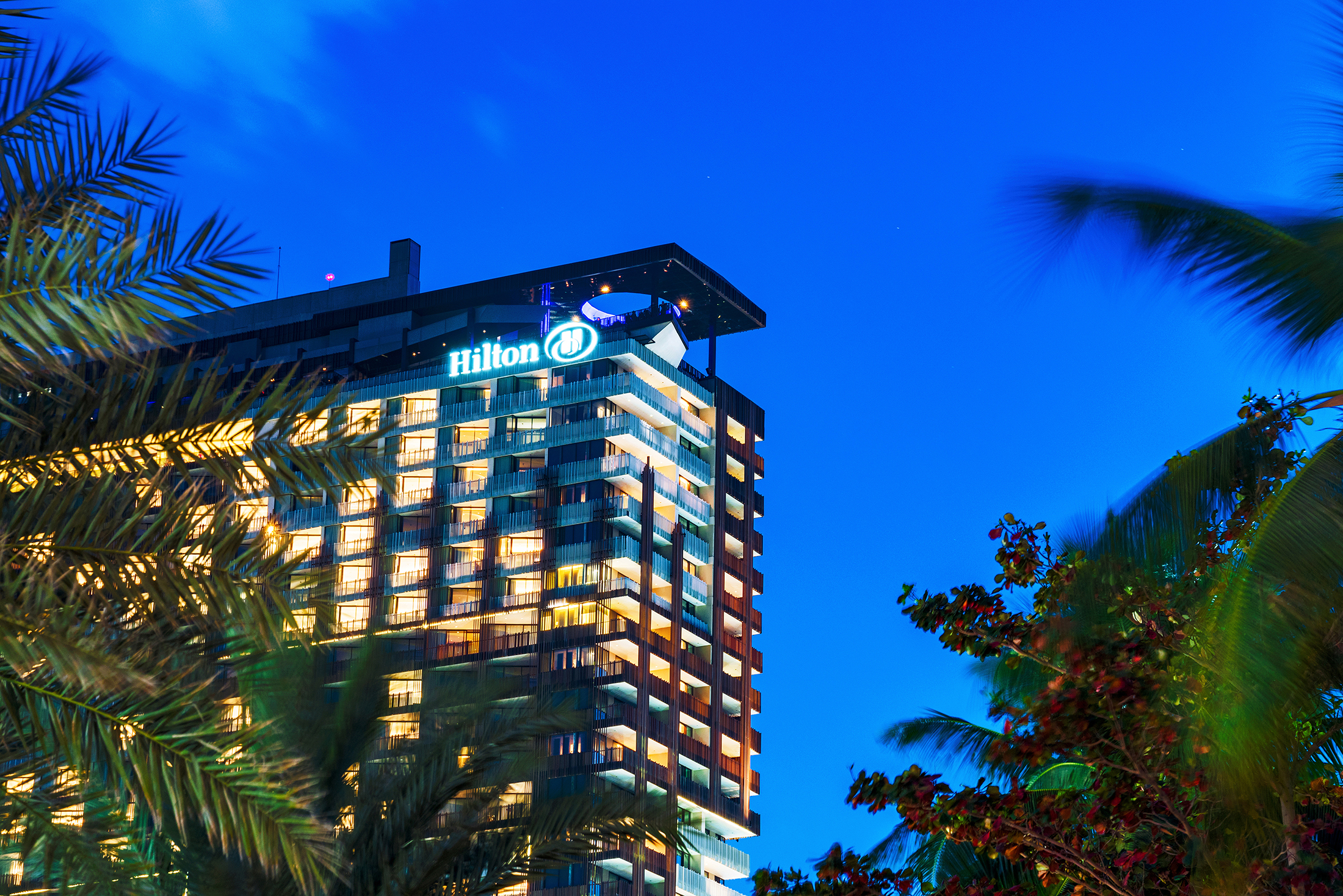
The hotel is using AI to keep bookings in-house, but most travelers still don’t trust a chatbot to plan their vacation.
Hilton's foray into AI-powered trip planning is an interesting move, especially considering the company's goal to keep bookings in-house. By leveraging AI, Hilton aims to streamline the travel planning process and reduce reliance on third-party travel agencies. However, the lukewarm response from customers suggests that there are still significant hurdles to overcome before travelers feel comfortable trusting a chatbot to plan their entire vacation.
The skepticism surrounding AI-powered travel planning is understandable, given the complexity and personalization required in travel planning. While chatbots have made significant progress in recent years, they still struggle to replicate the human touch and nuanced understanding that a travel agent can provide. Moreover, travelers often have specific preferences and requirements that may not be easily captured by an AI system. As a result, Hilton's AI trip planner will need to demonstrate significant improvements in accuracy, personalization, and user experience to gain widespread acceptance.
What's next to watch is how Hilton addresses these concerns and iterates on its AI-powered travel planning tool. The company will likely need to focus on transparency, user feedback, and continuous improvement to build trust with its customers. Additionally, it will be interesting to see how competitors respond to Hilton's move and whether they follow suit with their own AI-powered travel planning solutions. As the travel industry continues to evolve, one thing is clear: the role of technology in travel planning will only continue to grow, and companies that can effectively balance human touch with technological innovation will be well-positioned for success.
Originally reported by entrepreneur.com. SupportWire adds analysis for business & startups readers.